Salt air, bay humidity and the maintenance that keeps a waterfront system running
Waterfront living on the Chesapeake and the Patuxent River puts salt-laden air on every outdoor unit and every duct in the house, and summer dew points into the low 70s keep the moisture load high long after the temperature drops. This guide covers what salt corrodes first, where to place equipment, how to control the humidity a thermostat cannot see, and what Continental checks on a bay-side tune-up. Family-owned in Prince Frederick since 1985. Call 410-535-0091 for same-day service during business hours.
Air moving off the bay and the Patuxent River carries dissolved salt, and it settles on the outdoor condenser coil and the aluminum fins. Once the salt is there, fog and overnight dew keep it working. The film holds water against the metal and speeds up oxidation, and where copper tubing meets aluminum fin the two metals plus salt water behave like a small battery. That is galvanic corrosion, and it works on the joint until the coil weeps refrigerant. The same film rusts the cabinet, the screws and the base pan, and it creeps into the electrical compartment, where it pits contactor points and capacitor terminals until they arc or stop pulling in.
That is why a unit a few blocks inland can outlast one on the shoreline by years. The early signs are easy to spot if you look: a white or gray crust on the fins, fins that crumble when you brush them, rust streaks under the cabinet, longer run times for the same indoor temperature, and a breaker that trips more than once in a season. Any of those is worth an inspection or an AC repair visit before the compressor becomes the part that fails.
Placement is the cheapest protection available. Where the lot allows it, set the outdoor unit on the leeward side of the house, the side sheltered from the prevailing wind off the water, rather than the side that takes driven mist and spray. Raise it on a pad or stand so it sits above standing water and splash, keep it clear of sprinkler heads and downspouts, and leave 2 ft of clearance on all sides and above so air moves freely across the coil.
Then rinse it. A gentle fresh-water rinse of the coil once a month through the cooling season, with the power off at the disconnect, washes the salt film away before it sets, and it costs nothing but a few minutes. At replacement time, ask about a factory-coated coil or a field-applied coating, which puts a barrier between the salt and the metal and is worth raising on any AC installation within sight of the water. A ductless mini-split outdoor unit stands in exactly the same air and deserves the same placement and the same rinse routine.
A thermostat reads temperature, not moisture. On a July evening near the water the air cools while dew points sit into the low 70s, so the house reaches its setpoint and the system shuts off with the air still heavy. That is the cool but clammy feeling waterfront owners describe, and it gets worse when the equipment is oversized, because an oversized system satisfies the thermostat in short bursts and never runs long enough to wring water out of the air. Short cycling shows up elsewhere too: condensation beading on duct runs in the crawlspace, sweating window glass, musty closets and mold on the shaded north wall.
A whole-home Aprilaire dehumidifier is the direct fix, because it runs on its own humidity setpoint independently of cooling and keeps working on mild days when the air conditioner barely comes on. Pairing it with Reme Halo purification cuts the mold and allergen load that damp coastal air encourages, and both belong in a conversation about your indoor air quality. WaterFurnace geothermal deserves a look as well, because it dehumidifies strongly by design and it has no outdoor condenser sitting in salt air at all.
Plenty of homes near the water started as summer cottages and grew from there. A North Beach bungalow with a converted porch, or a Solomons cottage with a bedroom added above the garage, often has no duct run reaching the new space, and stretching the existing system to cover it tends to starve the rest of the house. A Cooper & Hunter ductless heat pump answers that directly: one outdoor unit feeds one or more indoor heads, each zone holds its own setpoint, and it cools in summer and heats in winter with no ductwork to install or seal. Siting matters as much here as with a central condenser, so keep the outdoor unit leeward, off the ground and clear of spray, and seal the line set where it passes through the wall so damp air is not pulled into the cavity. We handle mini-split repair on existing systems as well as new installations.
A waterfront tune-up covers everything a standard visit covers, plus the items salt air puts at risk. The technician rinses and inspects the outdoor coil, checks fin condition and straightens what can be straightened, and looks for rust at the cabinet, base pan and fasteners. Refrigerant charge gets verified, since a corroded coil joint usually shows up first as a slow loss. The electrical compartment comes open so the contactor points, capacitor terminals and wiring connections can be inspected for pitting and corrosion, and anything degraded is tightened or replaced.
Indoors, the condensate drain is cleared and the pan checked for standing water, the dehumidifier drain and filter are serviced, and duct runs in the crawlspace or attic are checked for sweating, which points to an insulation or sealing gap. The visit finishes at the thermostat, confirming the fan is set to AUTO rather than ON and that the schedule matches how the house is actually used. Book cooling in spring and heating in fall. Our AC maintenance covers the seasonal visit, and maintenance plans bundle both so neither gets missed.
Continental has been family-owned in Prince Frederick since 1985 and serves waterfront homes along this shoreline, from the Patuxent River side at Solomons north to Herring Bay. If you want the detail for your own town, including the equipment and the service we handle there, start with the local page.
A central air conditioner or heat pump typically lasts 12 to 15 years, and on the water that span depends heavily on how the coil is treated. If your system shows crust on the fins, runs longer than it used to, or leaves the house damp on a mild evening, call 410-535-0091 for same-day service during business hours and ask for a waterfront tune-up.
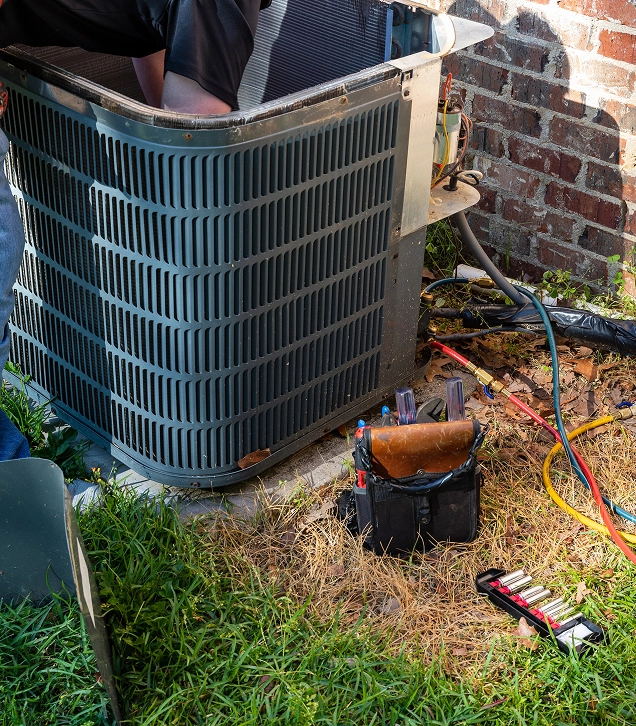
Preventive maintenance is the best investment you can make in your HVAC equipment. Our maintenance programs keep your heating and cooling systems running efficiently, prevent unexpected breakdowns, extend equipment lifespan, and ensure your manufacturer's warranty remains valid - all while saving you money on energy bills.
Seasonal tune-ups scheduled at optimal times - cooling system service before summer, heating system service before winter
Thorough inspections of all critical components to catch small issues before they become expensive problems
Cleaning and adjustments that restore efficiency and performance
Priority service when you need repairs, with members moving to the front of the line
Discounts on repairs to reduce your costs if something does need fixing
Peace of mind knowing your systems are being professionally maintained
Regular maintenance typically reduces energy consumption by 15-20%, prevents 95% of equipment breakdowns, and extends system life by years. The small investment in preventive care pays for itself many times over through lower utility bills, fewer repairs, and longer equipment life.
Join Today Learn More
© Red Barn Media Group 2026