How ductless and ducted systems really compare for Southern Maryland homes
Deciding between a ductless mini-split and a traditional central air system is one of the most common questions homeowners bring to us - and the honest answer is that it depends on your house. This guide breaks down how each system works, what drives the cost, how they compare on efficiency and zoning, and the specific situations where one clearly beats the other. As Southern Maryland's Cooper & Hunter mini-split dealer, Continental Services installs both, so we can lay out the trade-offs without steering you toward one product line.
A ductless mini-split is a heating and cooling system that skips the ductwork entirely. Instead of pushing conditioned air through a network of ducts, it uses a small outdoor condenser connected by a slim line-set to one or more indoor units mounted directly in the rooms you want to condition. Each indoor unit - often called a head - blows heated or cooled air straight into that space, and each one has its own control, so a bedroom and a living room can sit at different temperatures at the same time.
The name gives away the two defining traits. "Ductless" means no ducts, which removes the single biggest source of energy waste in a typical forced-air home. "Mini-split" means the system is split between a compact outdoor unit and one or more indoor heads, with only a three-inch hole through the wall for the refrigerant line, drain, and wiring. There is no bulky air handler in the basement and no sheet-metal trunk lines running through the attic.
Because a mini-split is a heat pump, it does both jobs from the same equipment: it cools in summer and heats in winter by moving heat rather than burning fuel. That matters in Southern Maryland, where you need real cooling for humid Chesapeake summers and dependable heat through winter cold snaps. The Cooper & Hunter systems Continental installs are built for exactly this dual-season demand, and they can be configured as a single-zone unit for one room or a multi-zone system that serves several spaces from one outdoor condenser. You can see how we handle setup on our mini-split installation page.
Mini-splits earn their keep in rooms that a central system struggles to reach: finished attics and basements, sunrooms, garages converted to living space, home offices, and additions that were built after the original ductwork was laid out. Anywhere ducts do not already run - or run poorly - a mini-split delivers comfort without tearing open walls and ceilings to add new duct runs.
Central air conditioning is the ducted, whole-house approach most homes are built around. A single outdoor condenser pairs with an indoor air handler or furnace, and that indoor unit pushes cooled air through a system of supply ducts to registers in every room, then pulls warm air back through return ducts to be conditioned again. One thermostat, usually in a central hallway, controls the whole house as a single zone.
The strength of central air is even, quiet, whole-home comfort when the duct system is well designed and in good shape. Air is distributed through vents that are largely out of sight, there are no indoor units mounted on the walls, and a single system handles the entire living space. For a home that already has sound, properly sized ductwork, central air is often the most straightforward and cost-effective way to cool the whole house.
The catch is the ductwork itself. Ducts leak at seams and connections, they lose heat as they pass through unconditioned attics and crawl spaces, and industry testing consistently finds that a typical duct system loses 20-30% of the energy the equipment produces before it ever reaches the rooms. A central system also conditions the whole house at once, so you pay to cool bedrooms nobody is using during the day. And central air only cools - it needs a separate furnace or heat pump to provide heat. Continental services and installs central systems too; you can read more on our AC installation page.
The table below lines up the two systems on the factors homeowners weigh most. Neither column is "better" across the board - each wins in the situations it was designed for, which is what the sections after the table sort out.
| Feature | Ductless Mini-Split | Central Air |
|---|---|---|
| Ductwork | None required | Requires a duct system |
| Zoning | Room-by-room temperature control | Whole-house, single zone (typical) |
| Energy loss | Minimal - no ducts | 20-30% lost through ducts |
| Heating + cooling | Both - heat pump in every unit | Cooling only; needs a separate furnace |
| Best for | Additions, older homes, hot/cold rooms | Homes with existing, sound ductwork |
| Outdoor footprint | One small condenser, slim line-set | Full-size outdoor condenser |
A few themes run through that comparison. Mini-splits avoid duct loss and add real zoning, which tends to lower operating cost for homes that do not need every room conditioned at once. Central air leans on infrastructure the home may already have, which keeps its appeal for houses with sound ducts. And only the mini-split heats and cools from a single system - central air handles cooling alone and relies on a furnace or heat pump for winter. The right pick comes down to your home's layout, its existing ductwork, and how you actually use your rooms.
There are several situations where a ductless mini-split is the clear choice, and most of them come down to ductwork you either do not have or do not want to extend.
Additions and converted spaces. When you build an addition, finish a basement, or turn a garage or attic into living space, the original ductwork rarely reaches it - and tapping the existing system to serve the new square footage often overloads equipment that was sized for the old floor plan. A mini-split conditions the new space on its own without touching the rest of the house, which is faster, cleaner, and usually less disruptive than running new duct.
Homes with no ductwork. Older Southern Maryland homes, houses heated by boilers and radiators, and homes with electric baseboard were never built for forced air. Retrofitting a full duct system into a finished house means opening walls and ceilings and sacrificing closet space for chases. A mini-split delivers modern heating and cooling with only a small line-set penetration, sidestepping that entire renovation.
Hot and cold rooms. Nearly every home has that one room that never matches the rest - the bonus room over the garage that bakes in July, the north bedroom that stays cold, the sunroom nobody uses in peak season. Because a mini-split delivers zoning, you can put a single head on the problem room and dial it to its own temperature without overcooling the whole house to compensate.
Zoning and efficiency. With a multi-zone Cooper & Hunter system, each room runs on its own thermostat, so you condition only the spaces you are using. Combined with the absence of duct loss, that room-by-room control is what makes ductless attractive for homeowners focused on lower monthly bills. Continental designs the zone layout around how your family actually lives in the house. See our mini-split repair page for how we keep these systems running.
Central air is not the older or lesser option - for a large share of homes it remains the better fit, and it is worth being just as clear about when it wins.
The strongest case for central air is a home that already has ductwork in good condition. If your ducts are properly sized, reasonably sealed, and routed sensibly, you have already paid for the expensive infrastructure. Replacing an aging central system with a new high-efficiency one lets you reuse that investment, and a modern central unit distributes even, whole-house comfort through vents you barely notice.
Central air also tends to suit homeowners who prefer no visible indoor equipment. Mini-split heads mount on the wall, and while they are compact, some people simply do not want units in their living spaces - ducted registers stay nearly invisible. For open, conventionally laid-out homes where the whole house is used at similar times, single-zone whole-house conditioning is simple and effective, and there is little practical benefit to splitting the home into separate zones.
Finally, if you are replacing a system in a home that already runs on forced-air heating, a central AC paired with your existing furnace keeps everything on one familiar platform. Continental sizes and installs central systems to match the home's real load rather than just swapping like-for-like, so the new equipment performs the way it should. Our AC installation page walks through that process.
Pulling it together, here is the shorthand our technicians use when a homeowner asks which way to go. Lean toward a ductless mini-split if you are conditioning an addition or converted space, your home has no ductwork or ducts that would be costly to extend, you have specific hot or cold rooms to solve, you want room-by-room zoning to cut energy use, or you want heating and cooling from a single system without adding a furnace.
Lean toward central air if your home already has sound, properly sized ductwork, you want to condition the whole house evenly as one zone, you prefer no visible indoor units, or you are pairing cooling with an existing forced-air furnace. In some homes the best answer is both - a central system for the main living area plus a mini-split for an addition or a stubborn problem room. That hybrid approach is common in Calvert and St. Mary's County homes that have grown over the years.
The only way to know for certain is a look at your specific home - its layout, its ductwork, its trouble spots, and how you use each room. Continental has been family-owned in Southern Maryland since 1985, and because we install both ductless and ducted systems, our recommendation follows the house rather than a single product line. Schedule a free in-home assessment at 410-535-0091 and we will lay out the option that fits your comfort and budget.
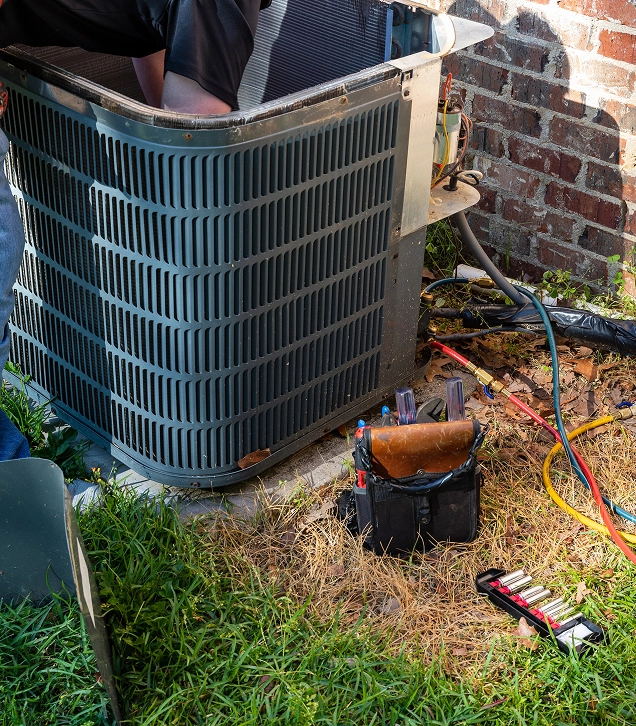
Preventive maintenance is the best investment you can make in your HVAC equipment. Our maintenance programs keep your heating and cooling systems running efficiently, prevent unexpected breakdowns, extend equipment lifespan, and ensure your manufacturer's warranty remains valid - all while saving you money on energy bills.
Seasonal tune-ups scheduled at optimal times - cooling system service before summer, heating system service before winter
Thorough inspections of all critical components to catch small issues before they become expensive problems
Cleaning and adjustments that restore efficiency and performance
Priority service when you need repairs, with members moving to the front of the line
Discounts on repairs to reduce your costs if something does need fixing
Peace of mind knowing your systems are being professionally maintained
Regular maintenance typically reduces energy consumption by 15-20%, prevents 95% of equipment breakdowns, and extends system life by years. The small investment in preventive care pays for itself many times over through lower utility bills, fewer repairs, and longer equipment life.
Join Today Learn More
© Red Barn Media Group 2026